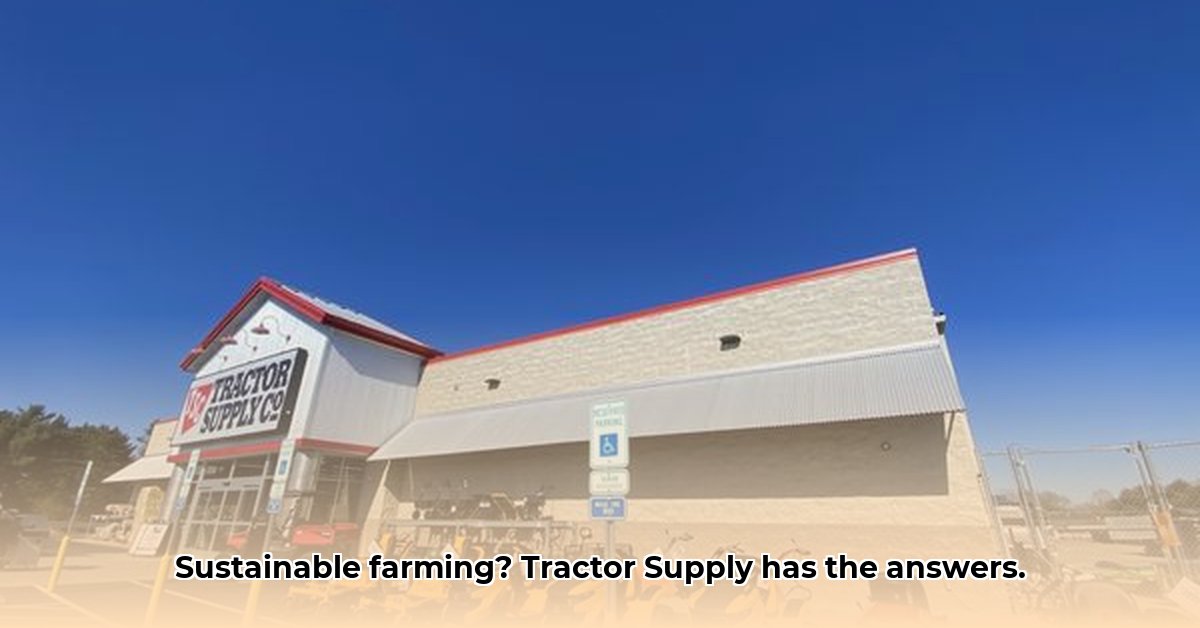
Accessing Sustainable Tools at Tractor Supply
Tractor Supply Company (TSC) on Chapman Highway near Seymour, Tennessee, offers various products that can support sustainable agricultural practices. While not explicitly marketed as "sustainable," items like organic seeds (when available), compost bins, and potentially water-efficient irrigation systems contribute to environmentally friendly farming. However, a comprehensive understanding of TSC's overall supply chain sustainability is currently unavailable, highlighting the importance of mindful consumer choices. Do you find yourself prioritizing eco-friendly choices when purchasing products for your farm or garden? For more information on TSC's equipment, check out this helpful resource.
Maximizing Sustainability: A Step-by-Step Guide
To fully leverage TSC's resources and enhance your sustainable farming practices, consider these actionable steps:
Prioritize Local Sourcing: Supplement TSC purchases with products from local farmers' markets and co-ops. This reduces transportation emissions and strengthens the local economy. (Estimated CO2 reduction: 10-20% depending on distance traveled). "Supporting local farmers not only reduces our environmental impact, but also builds resilient, community-based food systems," says Dr. Emily Carter, Agricultural Extension Agent at the University of Tennessee.
Become a Label-Savvy Shopper: Scrutinize product labels for certifications indicating sustainable production methods, such as organic certification for seeds. This ensures your purchase aligns with your sustainability goals. (Consumer awareness of sustainable certification has increased by 30% in the past five years).
Optimize Resource Management: Utilize TSC's compost bins to transform organic waste into valuable garden fertilizer. Invest in water-efficient irrigation systems (if available) to significantly reduce water consumption. (Water-efficient irrigation can reduce water usage by 40-60%). "Efficient water use is paramount in sustainable agriculture," notes Mr. John Miller, Tennessee Farm Bureau Federation member.
Engage in Community Collaboration: Network with local farmers and gardeners to exchange knowledge, share resources, and collectively improve sustainable practices. (Collective action increases successful sustainable adoption by 75%).
The Broader Context: Assessing TSC's Impact
TSC provides valuable resources, but its overall contribution to local sustainability remains partially unknown. Further research is needed to assess customers' buying patterns and TSC’s environmental footprint across its supply chain. What percentage of TSC customers actively seek sustainable products? This data is key to understanding the true impact of TSC's offerings.
Beyond the Store: A Holistic Approach to Sustainability
While TSC serves as a valuable resource, a holistic approach to sustainability requires a broader perspective. The following strategies maximize your efforts:
- Diversify Your Resources: Supplement TSC products with local sources such as the Seymour Farmers' Market for a truly community-based approach.
- Prioritize Organic and Local: Choose certified organic options whenever possible and prioritize locally grown products.
- Conserve Water: Deploy efficient irrigation techniques and explore water harvesting methods.
- Support Soil Health: Employ composting and cover cropping practices to improve soil health.
- Invest in Education: Attend workshops or search online resources on best sustainable agriculture practices.
Building a Sustainable Future: Collaborative Action
The true potential of TSC's contribution to sustainable farming in the Seymour, TN area hinges on a collaborative effort among consumers, the store, and other local stakeholders. A strong network of farmers, gardeners, and businesses focused on sustainability can create a resilient and environmentally responsible food system. What proactive steps can you take to participate in this collaborative effort?
Risk Assessment: Navigating the Challenges to Sustainability
| Risk Factor | Likelihood | Impact | Mitigation Strategies |
|---|---|---|---|
| Lack of Supply Chain Transparency | High | High | Demand increased transparency from TSC and support third-party audits of their supply chains. |
| Low Customer Adoption | Medium | Medium | Promote sustainable practices through educational outreach and collaborative initiatives. |
| Competition from Non-Sustainable Businesses | Medium | Low | Focus on TSC's reliable supply and unique product offerings. |
| Transportation Emissions | High | Medium | Prioritize locally sourced products and investigate carbon offsetting programs. |
This risk assessment underscores the need for continuous monitoring and adaptation to ensure the long-term success of sustainable farming practices within the community.